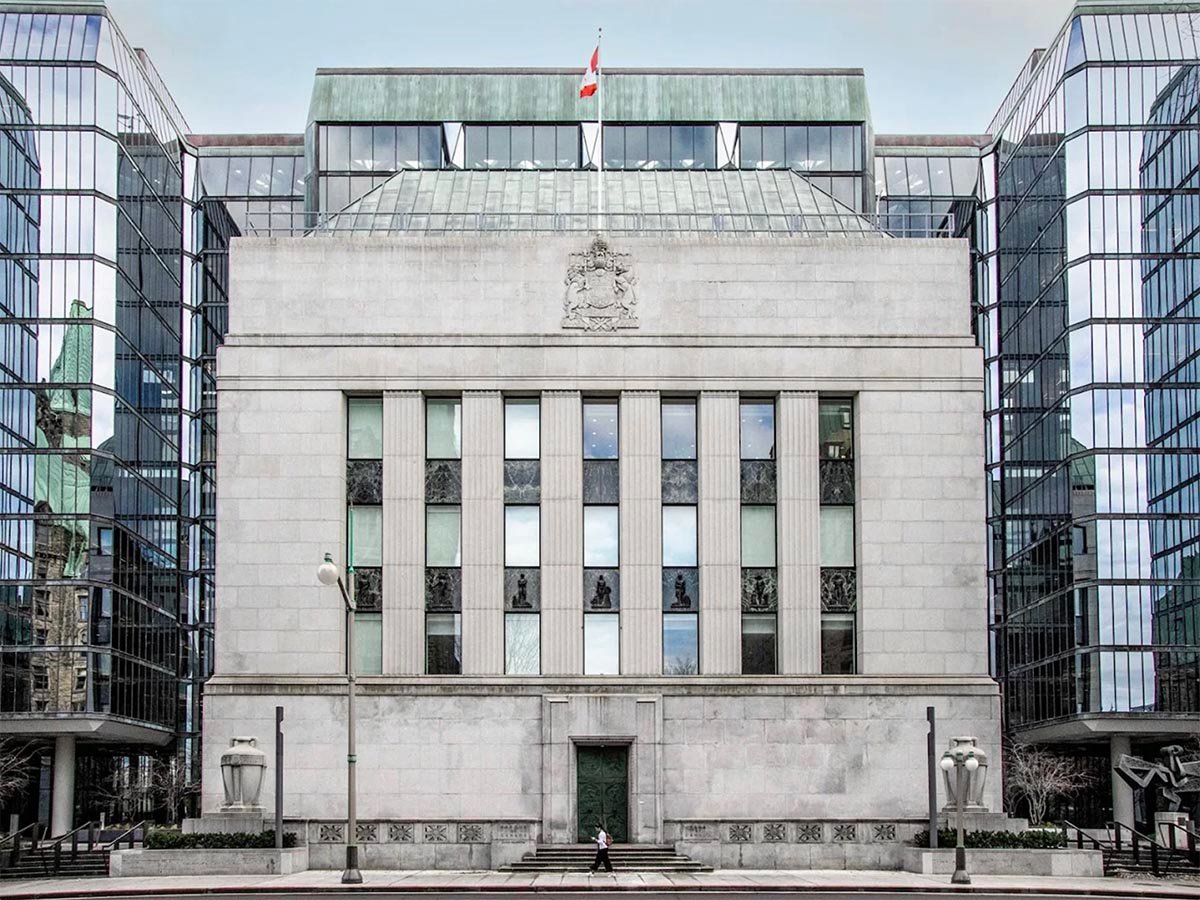
On October 28, the The Bank of Canada raised its overnight lending rate from 2.25% to 2.50%, its first rate increase since July 2023. The decision comes as the Iran conflict keeps oil prices elevated. The Bank said it expects inflation to reach 3.5% by year end, after a September reading of 3.1%. On the flip side, lower than expected Canadian economic growth figures came out the day after the rate increase announcement. The next rate decision is December 9, and economists are divided, with RBC expecting a hike in December or January and CIBC expecting a pause.
What This Means for Variable Rates
Variable mortgage rates follow the prime rate, so they move directly with Bank of Canada decisions. The hike pushed prime up 25 basis points to 4.70%, and the lowest variable rates in Canada are moving from 3.55% to about 3.80%.
What This Means for Fixed Rates
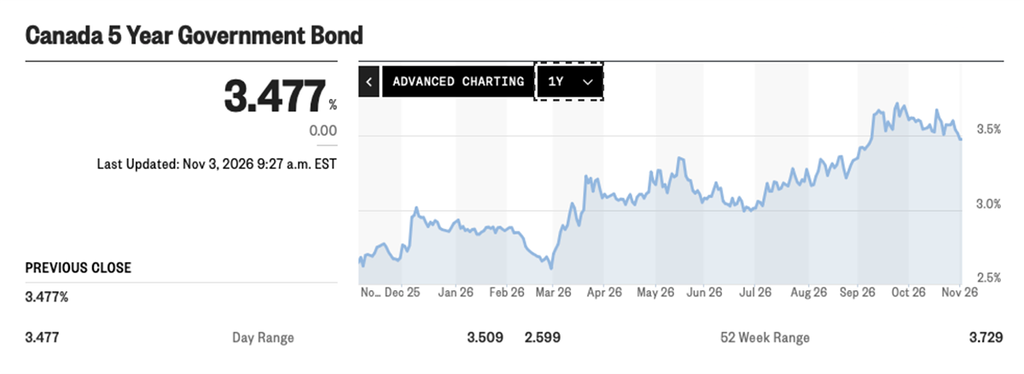
Fixed rates don’t follow the Bank of Canada. As we covered in our May newsletter they follow bond yields. The lowest 5-year fixed rate is currently around the 4.50% mark, and 5-year yields are hovering around the 3.50% level, close to their Iran war-era high. Back in March, the 5-year yield sat near 2.6%. For fixed rates to fall back below 4%, yields would need to drop below 3%, which may take a development like an end to the war.
Fixed vs. Variable: The Gap Is Worth Noticing
Here is how the two compare today, using the lowest advertised 5-year rates:
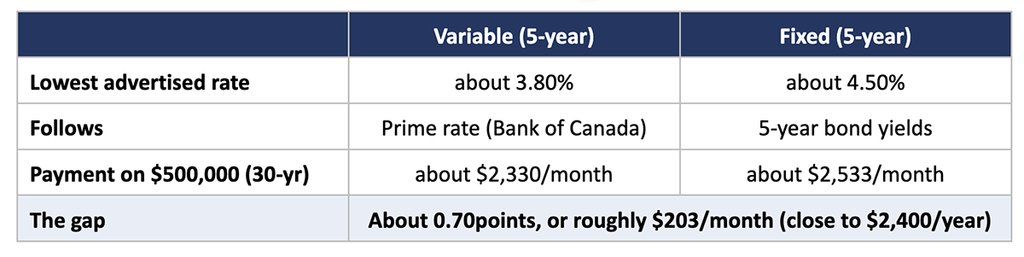
Even after the hike, that is a meaningful difference. What you get for that cost depends on which way you lean:
Variable: lower payments today and the ability to benefit if rates ease. The risk is that your payment can rise with each Bank of Canada increase, and the recent hike shows that risk is real.
Fixed: payment certainty for the whole term and protection if rates keep climbing. The trade-off is a higher starting rate, and fixed mortgages can’t be broken or altered without steep prepayment penalties.
Neither option is automatically the right one. The right choice depends on your budget, your tolerance for payment changes, and how long you plan to stay in the home.
The Bottom Line
The Bank of Canada has moved from holding rates steady to hiking, and inflation pressure tied to oil prices means more increases are possible. Variable borrowers have the lower rate today but carry the risk of further hikes. Fixed borrowers pay a premium for certainty. With a gap this size, it’s worth running the numbers on both before you decide.
If you’re buying a home or renewing your mortgage, reach out to us sooner rather than later so we can compare your options.
Rates shown are the lowest advertised national rates as of October 28, 2026, and are subject to change. The payment comparison is an illustration only; your actual rate and payment will depend on your lender and qualifications.
Get In Touch
Have questions about how these changes could affect your financial options? Talk to us. With over 50 years of combined experience, we are here to help you navigate the mortgage landscape. Connect with a 4Front broker today.